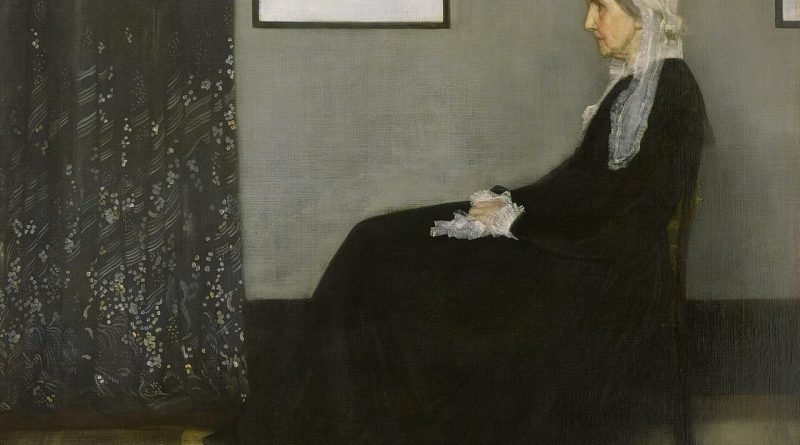
The Painter Whose Work Defies Categorization
The documentary takes a patient approach to a subject that easier filmmakers would sensationalize. Its long interviews resist editorial compression, trusting speakers to find their way to meaning in their own time. The cumulative effect is more like sustained attention than conventional narrative, which is precisely the point.
The musician’s interpretation feels less like a definitive statement and more like an invitation into conversation with the score. The technical challenges are dispatched with such ease that attention can focus on phrasing and nuance rather than mere execution. The performance demonstrates that mastery consists largely of knowing when not to play.
The choreographer has created a work that operates simultaneously as physical virtuosity and intimate character study. The movement vocabulary feels both contemporary and somehow timeless, drawing from traditions while refusing pastiche. The dancers commit with an intensity that transforms the stage into something closer to a confessional.
The novel tackles a historical period that feels perpetually relevant, avoiding both hagiography and cynicism in equal measure. The author’s approach to factual detail proves remarkably selective, including specifics that illuminate psychology rather than merely filling narrative space. The dialogue maintains period flavor without descending into pastiche.
The essay collection demonstrates a mind working across multiple registers, from the personal to the theoretical to the polemical. The author refuses specialization, following ideas wherever they lead even when the path proves uncomfortable. The result is a book that genuinely rewards repeated reading.

The composer’s latest piece challenges conventional notions of what the instrument can express, pushing musicians into unfamiliar territory. The score is notably sparse in places where density might have been expected, allowing silence to function as material. This restraint gives moments of sound an almost physical weight.
The painter has returned to a subject that has preoccupied her work for decades, yet the new series feels like a complete departure. The technique remains recognizable, but something fundamental has shifted in how she approaches color and composition. The effect is simultaneously familiar and startling, as if seeing a beloved work through entirely new eyes.
The gallery’s new director has used the opening exhibition to signal a clear departure from previous programming. Works by emerging artists share wall space with reconsidered selections from the permanent collection, forming unexpected dialogues. The hang suggests curatorial confidence rather than mere novelty, offering arguments through placement.
The exhibition juxtaposes works from vastly different traditions in ways that create unexpected resonances. The curator resists the impulse to explain these connections, allowing viewers to discover relationships for themselves. The hang proves that proximity can generate meaning as effectively as any textual apparatus.
Questions about this article? Reach the newsroom at tips@example.test.
