Inside the World of a Local Historian
He grows quiet when asked why he stays, his hands moving to adjust something on the counter that doesn’t need adjusting. The farm sits exactly where his grandfather’s farm sat, though the boundaries have shifted with time. He speaks about crop rotation and soil chemistry, but what he means is: this land knows my hands. My hands know this land.
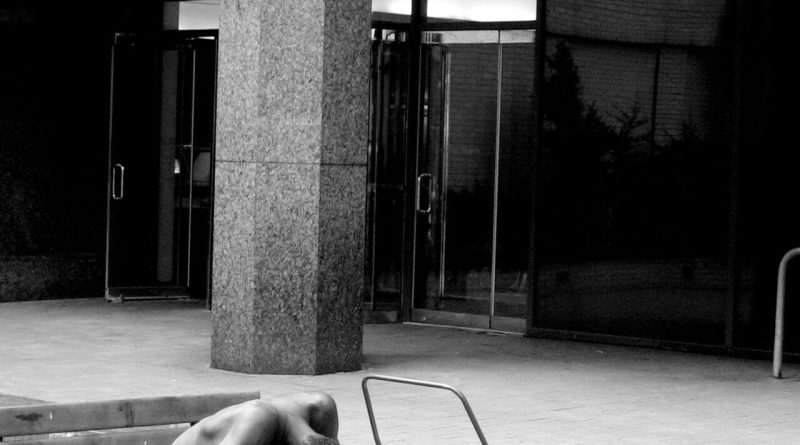
Before it was a park, it was an abandoned lot. Someone began bringing flowers. Others swept debris. A bench appeared. Children started coming. Now it is where the neighborhood gathers to claim its own small corner of the world.
What used to manufacture something tangible now manufactures possibility. Artists have claimed the upper floors. Classes meet in what was once the shipping department. The transformation happened slowly, without fanfare, as people simply started treating the empty space as though it belonged to them.
The radio station operates on volunteer hours and donated equipment. The broadcasts reach three towns. Someone comes in to read the news. Someone else reads poetry. A third person plays music from decades past. They are making community the old way—by gathering sound and pushing it outward.
The neighborhood had split into separate worlds existing in the same space. He began crossing from one side to the other, speaking the language of both. Slowly, imperceptibly, people followed. The bridge was built not of material but of one person’s determination to see connections where division had grown thick.

The kitchen is small, crowded with heat and the sound of sizzling. Someone orders the same meal every morning at the same time. The owner knows this, and the meal is waiting when they arrive. This knowledge, this small certainty, matters more than most things.
The stone remembers. The oldest headstone carries a name no one speaks aloud anymore, but someone left flowers there last Tuesday. The caretaker doesn’t ask questions. She knows that memory lives in gesture, in the small act of returning.
She arrived on a Tuesday in early spring, carrying a folder of sketches and a determination that seemed outsized for someone so quiet. The building itself appeared unconvinced—broken windows, a roof that leaked, floors that remembered decades of footsteps from work no one performed anymore. But she saw what others had stopped looking for: the possibility of making something live again.
What strikes you first is the ordinariness of the work. Someone mends a torn envelope. Another person catalogs donations that arrived three weeks ago. A regular patron sits in the corner chair, the one closest to the window, reading as he has done every Thursday for nineteen years. Nothing dramatic happens here. Everything happens here.
In the mornings, she walks the rows with a coffee cup, checking what has grown since yesterday. Her fingers are permanently stained with soil. Her back aches in ways she stopped mentioning years ago. But when a neighbor brings their child to pick tomatoes for the first time, she sees the moment everything changes—the moment that child understands where food comes from.
