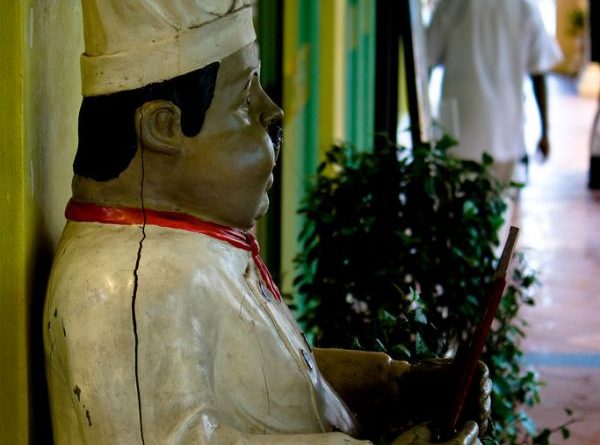
Casual Ramen Counter With Three Broths and Endless Depth
The steaks arrive on hot plates still sizzling, cooked to precisely the temperature you specified with the kind of consistency that makes you trust this kitchen with future orders. Sides are straightforward—butter-basted potatoes, grilled vegetables—allowing the meat to remain the conversation. The wine list stays focused on wines that pair well with beef rather than wines that cost the most.
Spice levels are assigned actual numbers, and the kitchen respects those specifications rather than treating them as vague suggestions. Regional dishes you’ve never encountered elsewhere share the menu with more familiar classics, encouraging experimentation without judgment. The owner eats at the restaurant most nights, a detail that somehow translates to better food.
Fresh pasta emerges from the back carrying steam and the scent of salt water, and the texture confirms that the drying time was monitored rather than guessed. Sauces stay minimal—often just good olive oil and cheese—because the pasta itself was clearly the ingredient worth fussing over. This is the kind of place where a single-protein dish somehow satisfies more thoroughly than restaurants twice the size.
Small plates arrive designed for sharing, and the menu encourages ordering more items than one person could eat alone. Flavors stay true to region despite ingredients that clearly come from local suppliers, a balance that requires real understanding of tradition. The wine list spans Spanish regions with the focus one might expect from a kitchen this geographically specific.
The shopping list rotates with seasons, and the kitchen clearly thinks in terms of what grows rather than what’s available year-round. Preparations lean toward highlighting the ingredient rather than disguising it, a philosophy that requires either great sourcing or excellent restraint or, more likely, both. Dinner reservations book six weeks out, and at those prices, the justification sits entirely on your plate.
Cocktails arrive in glassware chosen specifically for each drink, and the bartender explains their thinking without being asked or without being condescending. The spirit selection goes beyond the obvious, showcasing bottles that rarely see attention from bartenders less curious than this one. You come for dinner but end up talking about the drink you’ll order on your next visit.
Each plate arrived with the precision of someone who’d tasted it a thousand times and still cared about getting it right. The pork belly came charred at the edges, the fat rendered into something silken that nearly dissolved on the tongue. Seasoning was restrained, allowing the ingredient itself to announce what it wanted to be.
The crust shatters when you bite through it, a texture that suggests deep frying at an exact temperature managed with real precision. Interior meat stays tender and juicy despite the cooking method, a result that only comes from careful brining and absolute control of oil temperature. The sides—slaw, biscuits, sauce—remain secondary to the main event, and the pricing reflects that everything here is about value.
The hollandaise broke exactly zero times across the three visits we made, a small detail that speaks volumes about kitchen fundamentals. Eggs came cooked to a precise temperature that preserved their velvety center, and the accompanying toast soaked up sauce without collapsing. Crowds arrive early for brunch, but the kitchen handles volume without sacrificing consistency.
This is part of an ongoing series. Previous installments are linked below.
