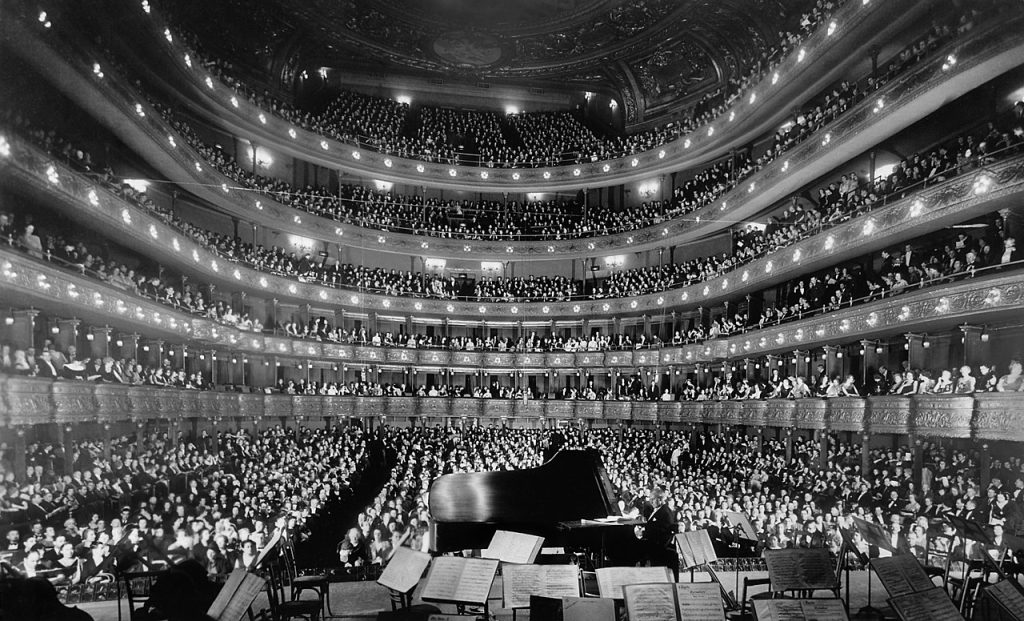
The Architect-Designed Theater Nobody Thought Would Work
The film moves with unusual patience, lingering on faces and landscapes long enough for meaning to accumulate. The director trusts the audience to draw connections without spelling them out, a gamble that mostly pays off. The final sequence provides clarity without fully resolving the ambiguities that precede it.
The novel opens with a deceptively simple premise but quickly reveals layers of moral complexity that linger long after the final page. The author’s prose is economical without being sparse, each sentence doing multiple kinds of work. This restraint proves more devastating than any amount of stylistic flourish could achieve.
The musician approaches the classical repertoire as an act of intimate conversation rather than virtuosic display. The technical proficiency is never in question, but what distinguishes this performance is its willingness to take risks with phrasing and tempo. The result feels simultaneously respectful and thoroughly contemporary.
The painter has returned to a subject that has preoccupied her work for decades, yet the new series feels like a complete departure. The technique remains recognizable, but something fundamental has shifted in how she approaches color and composition. The effect is simultaneously familiar and startling, as if seeing a beloved work through entirely new eyes.
The essay collection demonstrates a mind working across multiple registers, from the personal to the theoretical to the polemical. The author refuses specialization, following ideas wherever they lead even when the path proves uncomfortable. The result is a book that genuinely rewards repeated reading.
The poetry collection’s formal range is striking without feeling showy; the poet moves between traditional and experimental structures with apparent ease. The subject matter circles personal history without tipping into confession, finding instead a kind of clear-eyed reckoning. Individual poems work on their own while gathering weight in sequence.
The playwright has updated a classical text without making the adaptation the point of the exercise. The contemporary setting reveals new tensions in the original material rather than merely grafting topicality onto an old structure. The resulting work operates simultaneously as fidelity and transgression.
The novel tackles a historical period that feels perpetually relevant, avoiding both hagiography and cynicism in equal measure. The author’s approach to factual detail proves remarkably selective, including specifics that illuminate psychology rather than merely filling narrative space. The dialogue maintains period flavor without descending into pastiche.
The choreographer has created a work that operates simultaneously as physical virtuosity and intimate character study. The movement vocabulary feels both contemporary and somehow timeless, drawing from traditions while refusing pastiche. The dancers commit with an intensity that transforms the stage into something closer to a confessional.
