A Breakthrough in Lab-Grown Muscle Tissue
An environmental engineering team scaled up an algae cultivation system to pilot scale and demonstrated that it absorbed carbon dioxide at rates equivalent to roughly four forest hectares per cultivation pond. The harvested algae was converted into biofuel and livestock feed, creating a circular economic model. Multiple energy companies have shown interest in scaling the technology.
A plant genetics lab developed a crop variant that maintains yield under moderate drought stress while reducing water consumption by approximately thirty percent. The researchers achieved this through selective breeding combined with targeted genetic markers, avoiding direct gene editing. Farmers in arid regions have requested field trials.
Researchers reported in a peer-reviewed study that the recycling rate of lithium from spent batteries increased dramatically over the past eighteen months. The team observed that a novel extraction process, developed through a collaboration between a major mining consortium and academic labs, recovered roughly ninety-four percent of usable lithium from discarded cells. This advancement may help ease supply constraints for renewable energy storage worldwide.
A biomaterials lab reported that moss colonies could be cultivated to form load-bearing structures suitable for building facades and temporary infrastructure. The research demonstrated that the moss retained flexibility and water-retention properties while gaining structural stability through a binding agent derived from plant cellulose. Architects have expressed interest in pilot projects.

Researchers using satellite data detected that global methane emissions from industrial facilities exceeded official reports by roughly seventeen percent. The team cross-referenced satellite methane concentrations with known industrial locations using machine learning. The findings have prompted policy discussions about emissions monitoring standards.
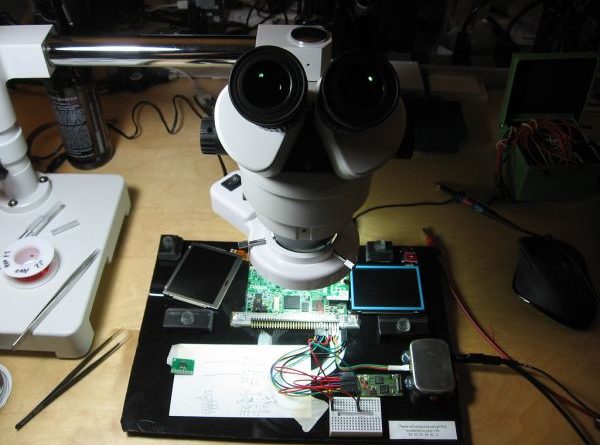
Biomedical engineers reported success in growing muscle tissue in bioreactors with contractile properties approaching those of in vivo tissue. The lab used scaffolding materials and electrical stimulation to guide development. Pharmaceutical companies are evaluating the tissue for drug testing applications.
A leading genomics lab found that three specific genetic markers could predict vaccine response with seventy-eight percent accuracy in preliminary trials. The researchers emphasized that these markers work across age groups and ethnic backgrounds, though larger studies are needed to confirm the findings. Such discoveries could eventually allow personalized vaccination strategies for vulnerable populations.
