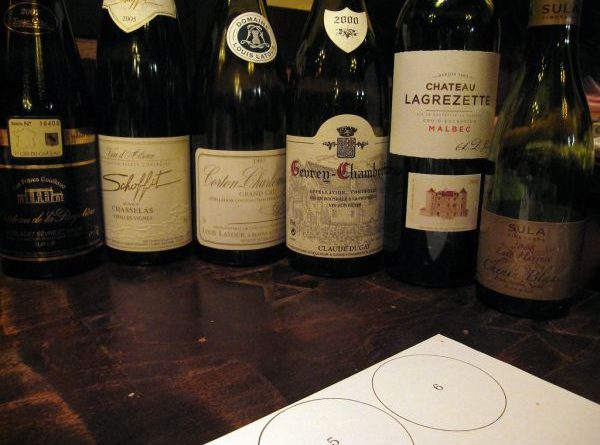
Casual Steakhouse Where Quality Meat Speaks for Itself
The bread wrapping contains a filling that tastes nothing like what you’d get from bread made yesterday, proving that freshness of the sandwich component fundamentally matters. Proteins are simple—grilled pork, roasted chicken—letting the bread and technique become the story. Lines form before opening, and the operation closes when ingredients run out, teaching an unexpected lesson about respecting limitations.
Cocktails arrive in glassware chosen specifically for each drink, and the bartender explains their thinking without being asked or without being condescending. The spirit selection goes beyond the obvious, showcasing bottles that rarely see attention from bartenders less curious than this one. You come for dinner but end up talking about the drink you’ll order on your next visit.
Each plate arrived with the precision of someone who’d tasted it a thousand times and still cared about getting it right. The pork belly came charred at the edges, the fat rendered into something silken that nearly dissolved on the tongue. Seasoning was restrained, allowing the ingredient itself to announce what it wanted to be.
The hollandaise broke exactly zero times across the three visits we made, a small detail that speaks volumes about kitchen fundamentals. Eggs came cooked to a precise temperature that preserved their velvety center, and the accompanying toast soaked up sauce without collapsing. Crowds arrive early for brunch, but the kitchen handles volume without sacrificing consistency.
Desserts appear in portions sized like they want you to finish them without deliberation, and the four-course journey rarely exceeds one hundred twenty calories per course by apparent calculation. Flavors remain pure and identifiable without unnecessary complication, and presentation leans toward artistic without becoming precious. Service concludes with coffee that tastes like someone actually cared about the sourcing and brewing.
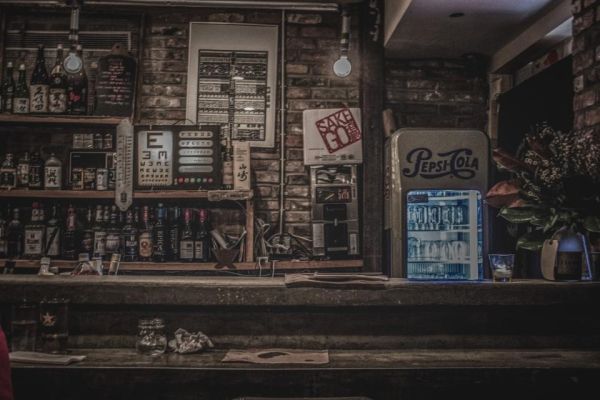
Spice levels are assigned actual numbers, and the kitchen respects those specifications rather than treating them as vague suggestions. Regional dishes you’ve never encountered elsewhere share the menu with more familiar classics, encouraging experimentation without judgment. The owner eats at the restaurant most nights, a detail that somehow translates to better food.
Courses arrive precisely sixty minutes apart, each one small enough that finishing feels like an accomplishment rather than a burden. The chef explains each dish in person, and those explanations prove necessary because plating patterns sometimes obscure what you’re actually eating until flavor arrives to clarify. Best saved for special occasions where the three-hour time commitment becomes a feature rather than a bug.
The sourdough came with a crust that shattered under a butter knife, the interior still steaming with the kind of open crumb structure that suggests fermentation done with actual patience. Toppings stayed minimal—fleur de sel, nothing more—because the bread itself was clearly the entire point. This is the kind of bakery where people discuss their visit later in conversations that drift toward reverence.
The kitchen stayed open past midnight most nights, the kind of place where the bartender knew whether you preferred your soda water with lime or lemon. Soft golden light pooled across worn wooden tables, and the crowd evolved from early diners to late-night regulars nursing cocktails. Service moved at exactly the right pace—unhurried but never slow—making you feel cared for rather than rushed.
The space transformed after dark, dim lighting and closely spaced tables creating an atmosphere that felt exclusive without trying too hard. Service was attentive but never hovering, and the wine pairings showed an understanding of the food that suggested actual tasting notes rather than generic formula. The fifteen-course menu unfolded across three hours like a conversation with someone who clearly had something to say.
