The Coffee Roaster Café That Became a Meeting Place
The steaks arrive on hot plates still sizzling, cooked to precisely the temperature you specified with the kind of consistency that makes you trust this kitchen with future orders. Sides are straightforward—butter-basted potatoes, grilled vegetables—allowing the meat to remain the conversation. The wine list stays focused on wines that pair well with beef rather than wines that cost the most.
The kitchen stayed open past midnight most nights, the kind of place where the bartender knew whether you preferred your soda water with lime or lemon. Soft golden light pooled across worn wooden tables, and the crowd evolved from early diners to late-night regulars nursing cocktails. Service moved at exactly the right pace—unhurried but never slow—making you feel cared for rather than rushed.
Spice levels are assigned actual numbers, and the kitchen respects those specifications rather than treating them as vague suggestions. Regional dishes you’ve never encountered elsewhere share the menu with more familiar classics, encouraging experimentation without judgment. The owner eats at the restaurant most nights, a detail that somehow translates to better food.
The bread wrapping contains a filling that tastes nothing like what you’d get from bread made yesterday, proving that freshness of the sandwich component fundamentally matters. Proteins are simple—grilled pork, roasted chicken—letting the bread and technique become the story. Lines form before opening, and the operation closes when ingredients run out, teaching an unexpected lesson about respecting limitations.
The counter seats seven, and the sushi chef moves with the efficiency of someone doing this exact same work for twenty-three years. Each nigiri arrives the moment you finish the previous one, creating a rhythm that feels collaborative rather than performative. The sourcing is meticulous but never mentioned; you simply taste the difference.
Cocktails arrive in glassware chosen specifically for each drink, and the bartender explains their thinking without being asked or without being condescending. The spirit selection goes beyond the obvious, showcasing bottles that rarely see attention from bartenders less curious than this one. You come for dinner but end up talking about the drink you’ll order on your next visit.
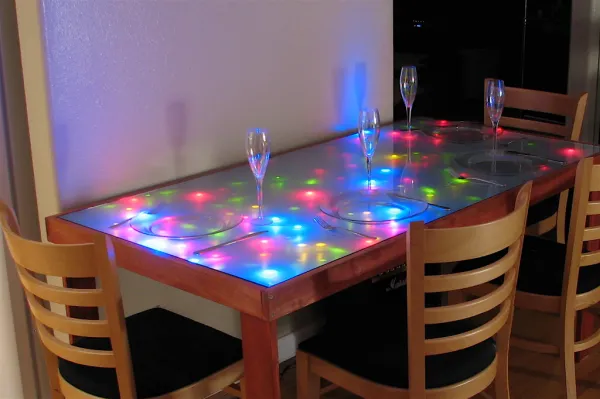
The noise level climbed steadily after seven o’clock, transforming the narrow room into something approaching festive without tipping into uncomfortable. Bottles of wine sweated in ice buckets squeezed between tables, and conversations from neighboring diners became part of the experience. By nine, it felt less like dining and more like accidentally crashing a very good party.
The space transformed after dark, dim lighting and closely spaced tables creating an atmosphere that felt exclusive without trying too hard. Service was attentive but never hovering, and the wine pairings showed an understanding of the food that suggested actual tasting notes rather than generic formula. The fifteen-course menu unfolded across three hours like a conversation with someone who clearly had something to say.
Charred outer edges give way to tender interiors, each taco assembled with the confidence of someone who understands that technique matters even when working with humble ingredients. The house-made hot sauce brought heat that lingered without overwhelming, proving the cook knew the difference between spice as flavor and spice as punishment. The unassuming setting somehow enhanced the food rather than distracted from it.
The crust shatters when you bite through it, a texture that suggests deep frying at an exact temperature managed with real precision. Interior meat stays tender and juicy despite the cooking method, a result that only comes from careful brining and absolute control of oil temperature. The sides—slaw, biscuits, sauce—remain secondary to the main event, and the pricing reflects that everything here is about value.
This is part of an ongoing series. Previous installments are linked below.
