How to Spend a Week on a Remote Island Without Wifi
Desert oases maintain themselves through a kind of ecological stalemate. The oasis exists because underground water reaches the surface; the settlement exists because of the oasis; tourism arrives because of the settlement. Visit in January when the season hasn’t fully turned and you’ll have palms and cool water and silence. The guides outnumber the tourists, which means you’ll actually receive attention and expertise instead of a rehearsed script.
Underground rivers and cave systems suggest a landscape with hidden architecture. You’ll hire a local guide who learned these caves from a parent, who learned from their parent. The guide knows stable rocks to step on, the places where water deepens dangerously, the chambers that amplify sound perfectly. The caves remain cool in summer and ice forms in winter, creating a seasonal variation that the surface hides.
Shoulder seasons exist in the gap between what tourists expect and what locals call home. May and September are when the light is best, when crowds have thinned but services remain open, when the weather has lost its unpredictability. Book flights for these months and you’ll pay less than half the high-season price. You’ll also actually see the place instead of waiting in lines to see it.
A ferry from a major city to a less-promoted destination teaches you geography tactilely. You watch the coastline recede, understand distance through hours of ocean crossing, arrive somewhere foreign and familiar at once. Ferries restore the sense that geography matters, that there’s real distance between places, and that the journey itself—not just the destination—shapes the experience.
The fishing boats return in the late afternoon to a harbor that hasn’t changed its configuration in two centuries. You’ll find yourself at the same café each morning because it’s good, but also because routine becomes luxury when you’ve stopped measuring time in achievements. The vendor at the market knows you’re visiting and asks, each day, what you’ve discovered. By week’s end, you’re no longer a tourist but a temporary resident with opinions about the best bakery.
The overnight train from one country to another is travel in the older sense: your sleeping car becomes your temporary address. You board in an evening and wake in a different country entirely. The rhythmic clacking of wheels, the gentle sway, the coffee brought to your compartment at dawn—these details accumulate into something that flying, with all its technological progress, cannot replicate.
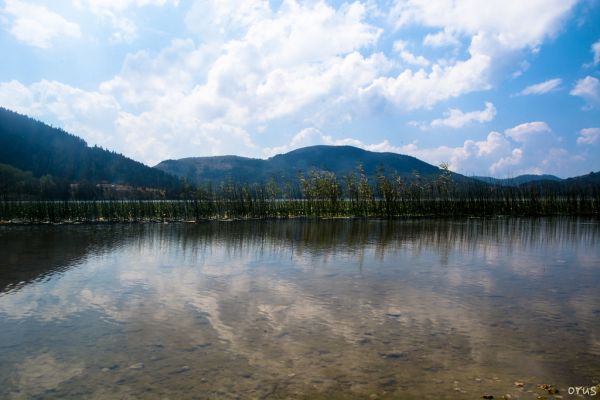
Scenic routes exist because people discovered them before highways made them obsolete. You’ll drive or cycle past small bridges and churches and natural viewpoints that few visitors ever reach. These routes take longer but they pass through actual landscape instead of connecting destination dots. Stop when something seems interesting and you’ll find villages or views that don’t appear in guidebooks.
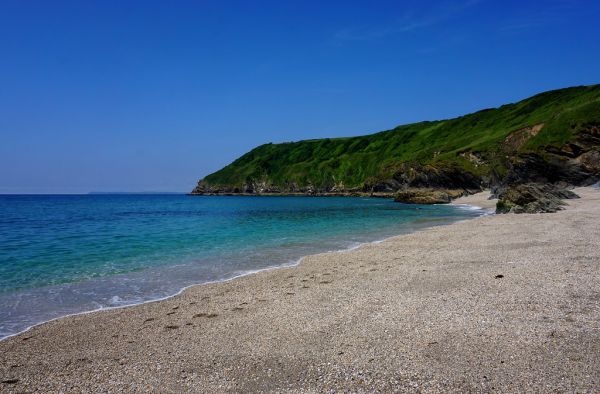
A remote island operates on its own temporality. The electricity runs from diesel generators. The groceries arrive once a week by supply boat. You’ll quickly stop checking your email not from virtue but from practicality—the internet connection works when the weather cooperates. By day three, the absence of digital noise becomes indistinguishable from peace.
Ferries operate on a logic that predates tourism infrastructure. You board with people carrying groceries and tools, not cameras. The crossing takes four hours and costs less than a flight that takes three including the drive to the airport. You’ll watch the coastline transform from cliff to rocky outcrop to smaller cliffs, and by the final hour, the journey will have changed your sense of geography from abstract to embodied.
The valley reveals itself gradually as your train descends, switchback by switchback. You’ll arrive in late afternoon when the shadows stretch long across granite cliffs and the air carries the scent of pine and diesel from the locomotive brakes. Book at least a month ahead for the mountain lodges if you want anything central; locals book these cottages year-round. The village square fills with children chasing pigeons precisely at five o’clock, then empties again within minutes as families disappear into homes for dinner.
This article will be updated as new information becomes available.
