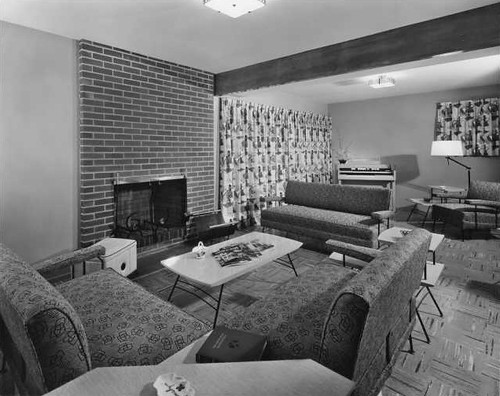
How to Make a Tiny Kitchen Feel Twice as Big
Composting usually fails because of moisture or carbon-to-nitrogen balance, not because it’s inherently gross. Kitchen scraps, grass clippings, and shredded leaves create a pile that heats itself as microbes break everything down. You want roughly three parts brown material to one part green, and you want the pile moist like a wrung-out sponge. Turn it every week or two if you’re impatient for finished compost, or just leave it a few months and let nature handle it without extra labor.
Dealing with common pests organically means accepting some leaf damage while focusing on preventing infestations from establishing. Spraying plants with water in the morning dislodges many soft-bodied insects without chemicals. Introducing beneficial insects like ladybugs or parasitic wasps creates a balanced system where pests persist but don’t explode into problems. We’ve found that neem oil works best for persistent spider mites, applied every five to seven days until populations drop to acceptable levels.
Deadheading spent flowers tricks plants into producing more blooms because they interpret continual flowering as a chance to set seed. Simply pinching or cutting off faded flowers before they dry completely signals your plants that their reproductive mission isn’t yet complete. This works especially well with zinnias, marigolds, and coneflowers through mid-autumn. In mild climates, consistent deadheading extends bloom time by four to six weeks compared to plants left unpruned.
Building a trellis from reclaimed wood or pruned branches gives you a functional garden structure that costs almost nothing and looks rustic. Lashing pieces together with twine creates a flexible, charming support that works for peas, beans, cucumber, or climbing flowers. Position it on the north side of lower vegetables to avoid casting unwanted shade. A sturdy four-by-eight structure built from one-by-two lumber takes an afternoon and provides years of service.
Hanging shelves require finding studs in your wall to anchor properly, or using heavy-duty anchors that distribute weight across drywall. Most shelves need anchors spaced roughly sixteen inches apart, which usually aligns with stud locations. Mark everything with a level before drilling, and pre-drill holes to prevent cracking. Getting the placement right the first time beats filling holes and starting over, so spend an extra five minutes with your level and tape measure.
Outdoor lighting that enhances rather than washes out your garden uses warmer color temperatures and strategic placement instead of bright floodlights. Accent lighting aimed at interesting plants creates depth and shadow play, while path lighting serves both beauty and safety. Solar options work well in sunny climates if you place panels where they get full midday sun. Low-voltage LED systems offer the most flexibility for creating layered lighting effects across seasons.
Starting seeds indoors requires consistent warmth and bright light, but not heat lamps and fancy equipment. A south-facing window combined with about fourteen hours of supplemental light from standard shop bulbs works perfectly. The real trick is watering: you want the soil moist but never waterlogged, which means checking daily and adjusting based on humidity levels. After three seasons of fighting damping-off disease, switching to a sterile seed-starting mix made all the difference.
