Mediterranean Kitchen in a Side Street Proving Less Can Be More
Cocktails arrive in glassware chosen specifically for each drink, and the bartender explains their thinking without being asked or without being condescending. The spirit selection goes beyond the obvious, showcasing bottles that rarely see attention from bartenders less curious than this one. You come for dinner but end up talking about the drink you’ll order on your next visit.
Lighting comes from pendant fixtures that cast shadows rather than banish them, creating pockets of intimacy within a larger shared space. The seating arrangement encouraged lingering—no chairs designed to feel temporary—and the chef’s counter offered front-row access to the kind of focus that separates good cooking from careful cooking. The crowd skewed toward people who’d made reservations weeks in advance.
The noise level climbed steadily after seven o’clock, transforming the narrow room into something approaching festive without tipping into uncomfortable. Bottles of wine sweated in ice buckets squeezed between tables, and conversations from neighboring diners became part of the experience. By nine, it felt less like dining and more like accidentally crashing a very good party.
The shopping list rotates with seasons, and the kitchen clearly thinks in terms of what grows rather than what’s available year-round. Preparations lean toward highlighting the ingredient rather than disguising it, a philosophy that requires either great sourcing or excellent restraint or, more likely, both. Dinner reservations book six weeks out, and at those prices, the justification sits entirely on your plate.
The sourdough came with a crust that shattered under a butter knife, the interior still steaming with the kind of open crumb structure that suggests fermentation done with actual patience. Toppings stayed minimal—fleur de sel, nothing more—because the bread itself was clearly the entire point. This is the kind of bakery where people discuss their visit later in conversations that drift toward reverence.
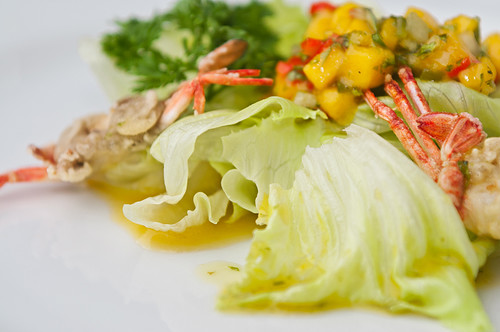
Courses arrive precisely sixty minutes apart, each one small enough that finishing feels like an accomplishment rather than a burden. The chef explains each dish in person, and those explanations prove necessary because plating patterns sometimes obscure what you’re actually eating until flavor arrives to clarify. Best saved for special occasions where the three-hour time commitment becomes a feature rather than a bug.
Charred outer edges give way to tender interiors, each taco assembled with the confidence of someone who understands that technique matters even when working with humble ingredients. The house-made hot sauce brought heat that lingered without overwhelming, proving the cook knew the difference between spice as flavor and spice as punishment. The unassuming setting somehow enhanced the food rather than distracted from it.
The tabletop grill arrives at temperature, and the meat selection spans from unfamiliar cuts to classics, all arranged on a shared plate that encourages conversation. You cook your own protein to preference, and the surrounding sides—sauces, vegetables, rice—are positioned strategically for maximum efficiency. The experience prioritizes participation in a way that formal dining explicitly discourages.
The seasonal menu shifts dramatically enough that regulars check the website before visiting, not from obligation but from genuine curiosity about what the kitchen is thinking about this month. Portions trend generous without feeling excessive, and pricing hovers in a range that positions this as special-occasion dining rather than Tuesday dinner. The farm partnership is mentioned nowhere on the menu because the vegetables themselves do all the talking.
