
The Museum That Became a Cultural Lightning Rod
The installation occupies the entire gallery space as a kind of immersive environment, transforming the architecture itself into part of the work. The materials chosen reference both natural and industrial sources, creating productive tension between categories. The effect accumulates gradually, arriving not as spectacle but as slow recognition.
The novel opens with a deceptively simple premise but quickly reveals layers of moral complexity that linger long after the final page. The author’s prose is economical without being sparse, each sentence doing multiple kinds of work. This restraint proves more devastating than any amount of stylistic flourish could achieve.
The film moves with unusual patience, lingering on faces and landscapes long enough for meaning to accumulate. The director trusts the audience to draw connections without spelling them out, a gamble that mostly pays off. The final sequence provides clarity without fully resolving the ambiguities that precede it.
The exhibition arrives at a moment when audiences are hungry for something that speaks directly to experience rather than theory. The curator has assembled work that refuses easy interpretation, demanding that viewers sit with discomfort and uncertainty. This restlessness becomes the exhibition’s greatest strength, forcing genuine engagement rather than passive consumption.
The composer’s chamber work rewards careful listening across its forty-minute duration. Its structural strategies are audible but never obvious; motifs recur with subtle variations that deepen rather than merely repeat. The performers bring an unusual intimacy to the piece, as if thinking through its questions alongside the audience rather than merely presenting conclusions.
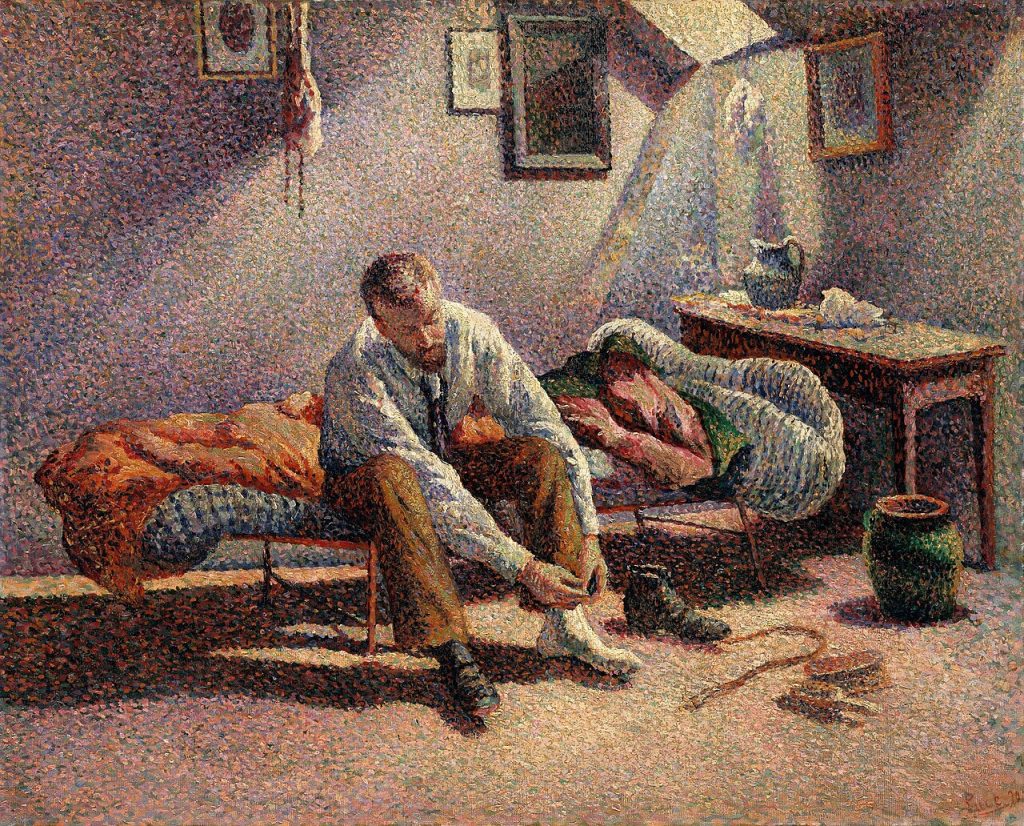
The film’s structure mirrors the fragmentation of consciousness itself, cutting between moments and perspectives with a logic that feels intuitive despite its complexity. The cinematography alternates between hyperreality and abstraction, creating visual dissonance that matches the emotional register. The soundtrack operates almost as a character in itself.
The choreographer has created a work that operates simultaneously as physical virtuosity and intimate character study. The movement vocabulary feels both contemporary and somehow timeless, drawing from traditions while refusing pastiche. The dancers commit with an intensity that transforms the stage into something closer to a confessional.
The novel’s protagonist navigates a world that mirrors our own just closely enough to provoke recognition without offering comfortable distance. The author’s dialogue rings true without attempting transcription, capturing rhythm and cadence while remaining intentionally stylized. The book operates as both intimate portrait and social critique.
The composer’s latest piece challenges conventional notions of what the instrument can express, pushing musicians into unfamiliar territory. The score is notably sparse in places where density might have been expected, allowing silence to function as material. This restraint gives moments of sound an almost physical weight.
Questions about this article? Reach the newsroom at tips@example.test.
